"A daily standup digest, posted to your team channel"
Every morning an agent reads your Slack channel, summarizes what happened, and posts a short standup digest back to it, on a schedule, without anyone writing it.
Standups eat time: someone scrolls back through yesterday's chatter, pulls out what mattered, and types up a summary nobody has time to type. This recipe hands that job to an agent. Each morning it reads your team channel, works out what actually happened, and posts a short standup digest back to the same channel before anyone logs on. The team gets a clean picture of yesterday without a person assembling it, and the update lands on schedule every single day.
Who this is for
Team leads, engineering managers, and anyone who runs an async standup in Slack or Discord. If your team already talks in a channel and someone is expected to summarize it, or a written standup keeps slipping because writing it is a chore, this makes the digest a standing job that runs itself. It fits a single squad channel, a project channel, or a company-wide "what shipped" thread.
What you'll set up
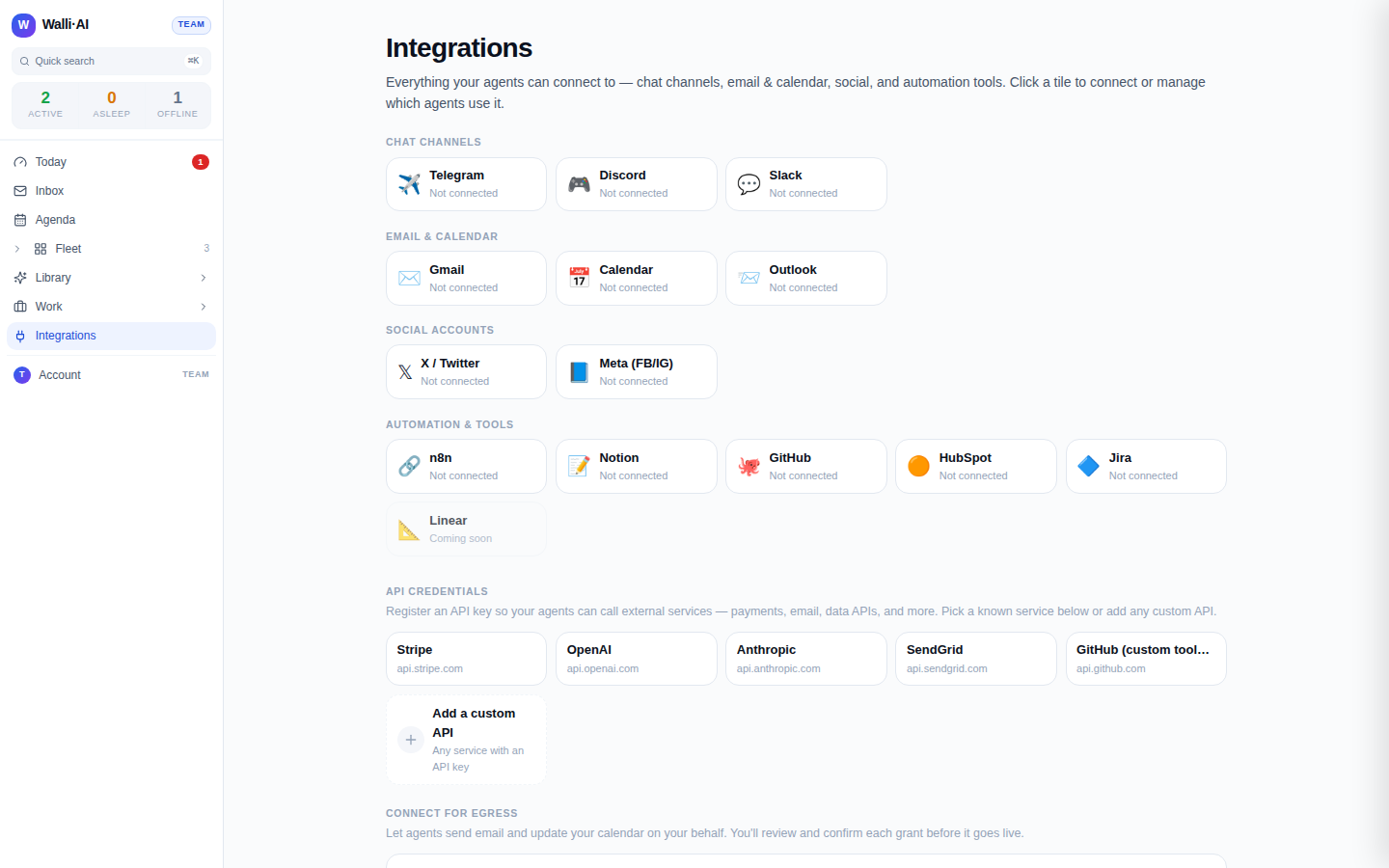
A Slack connection so an agent can read and post in your team's channel, plus a schedule that wakes the agent every morning. The agent reads the recent messages in the channel, summarizes the important threads, decisions, and blockers, and posts the digest straight back to the channel. No dashboard to check: the summary arrives where the team already is.
Build it
- Connect Slack for the team space you want summarized. Reading a channel's recent history and posting a message back to it is a Slack capability: connect the workspace, then point the agent at the specific channel. That connection is what lets the agent both read the channel and post the digest into it. (If your team is on Discord, use the report-delivery path in "Make it yours" below, which posts to a Discord channel on a schedule.)
- Create an agent for the job, for example one named
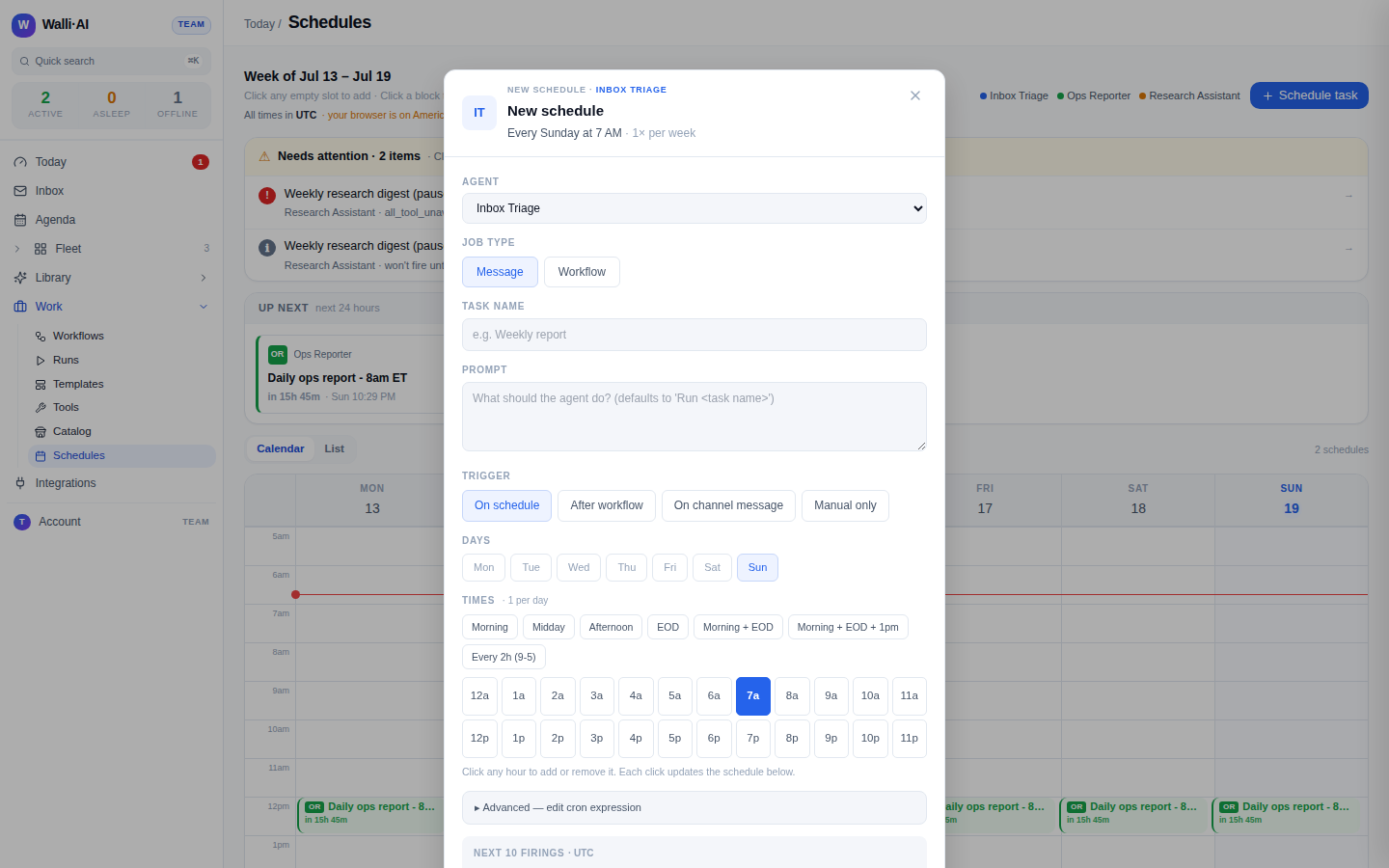
Standup Writer, and give it instructions on what a good digest looks like for your team: group by project or person, call out decisions and blockers, keep it short, and skip the noise. Tell it to be honest when a day was quiet rather than padding the summary. - Add a schedule that runs the agent every weekday morning at your standup time, in your timezone. The schedule is a cron trigger: pick the days and the hour, and it fires the agent on that cadence.
- In the schedule's instruction to the agent, say exactly what to do: for example "Read the last day of messages in the team channel, summarize what shipped, what was decided, and what is blocked, grouped by project, and post it back to the channel as this morning's standup. If the channel was quiet, say so in one line."
- Let it run once on schedule, then read the digest it posted and tighten the agent's instructions until the summary reads the way your team wants.
What you get
Every morning, a short standup digest appears in your team channel, written from what people actually said the day before. The agent reads the channel, pulls out the threads that matter, and posts a grouped summary of what shipped, what was decided, and what is blocked, so the whole team starts the day on the same page without anyone assembling the update by hand. Because it posts into the channel you already live in, nobody has to go looking for it.
The digest is grounded in real messages, not invented. The agent summarizes what it read in the channel; if the day was quiet, it says so rather than manufacturing activity to fill the update. That honesty is the point of an automated standup: the team can trust it because it reflects the channel, not a model guessing at progress.
Make it yours
- Change the cadence. Run it weekly for a Friday wrap-up instead of daily, or twice a day for a fast-moving team. The schedule is just a cron cadence you set, so any rhythm works.
- Post to a different channel. Read one busy working channel and post the clean digest into a quieter leadership or announcements channel, so decision-makers get the signal without the chatter.
- Summarize across channels. Point the agent at more than one source channel (engineering plus support plus sales) and have it post a single cross-team digest, so leadership sees the whole picture in one place.
- Deliver as a report instead. If your standup is really a set of numbers, pair this with a saved report delivered to Slack or Discord on a schedule; see a daily KPI report delivered to Slack for that path.
What it costs
This recipe is one agent that runs briefly once a day: it reads a channel and writes a short summary, which is small, bounded work. Run it on Walli-AI's managed Spark models and that work is metered against your plan's included AI budget, which you can watch fill in real time; run it on your own provider key and the usage bills to your provider instead. A daily standup is a light, predictable load, so the driver of cost is really how many agents and seats your team needs, not this one schedule. For how usage is metered and which plan fits, see what it costs and choosing a plan.